All articles
Hiding your phone number is not self-service success
Contrary to popular belief, customer service is not a department where you should be cutting costs. This is the public face of your company, and you must be accessible to your customers to show that you value them.
Published
Category
Hiding your phone number is not self-service success
Catherine Heath | June 27, 2017
When a customer wants to speak to a real, live customer service agent, they want one thing: the company’s phone number.
They don’t want to only have access to a knowledge base or to have to fill out a form that promises you’ll get back to them within 3-5 business days.
Many online companies believe that hiding their phone number sets them up for success. Since customers can’t talk to them on the phone, they don’t have to hire a full-fledged customer support team.
But what happens when a competitor comes along with a publicly available phone number and a highly responsive customer support team?
Your customers will switch to the more service-centered company in a heartbeat.
The good news? Customer self-service is here to help.
What is customer self-service?
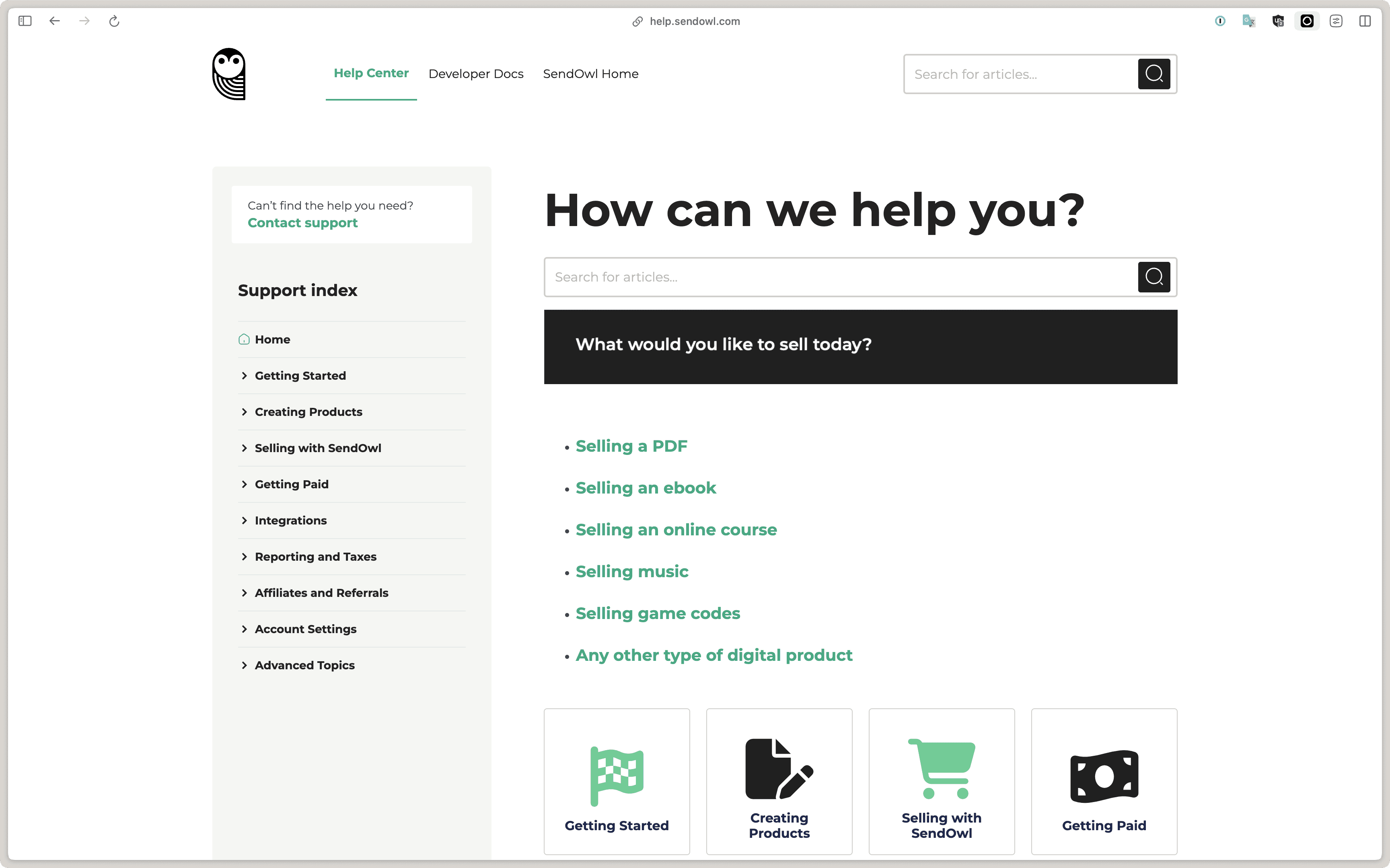
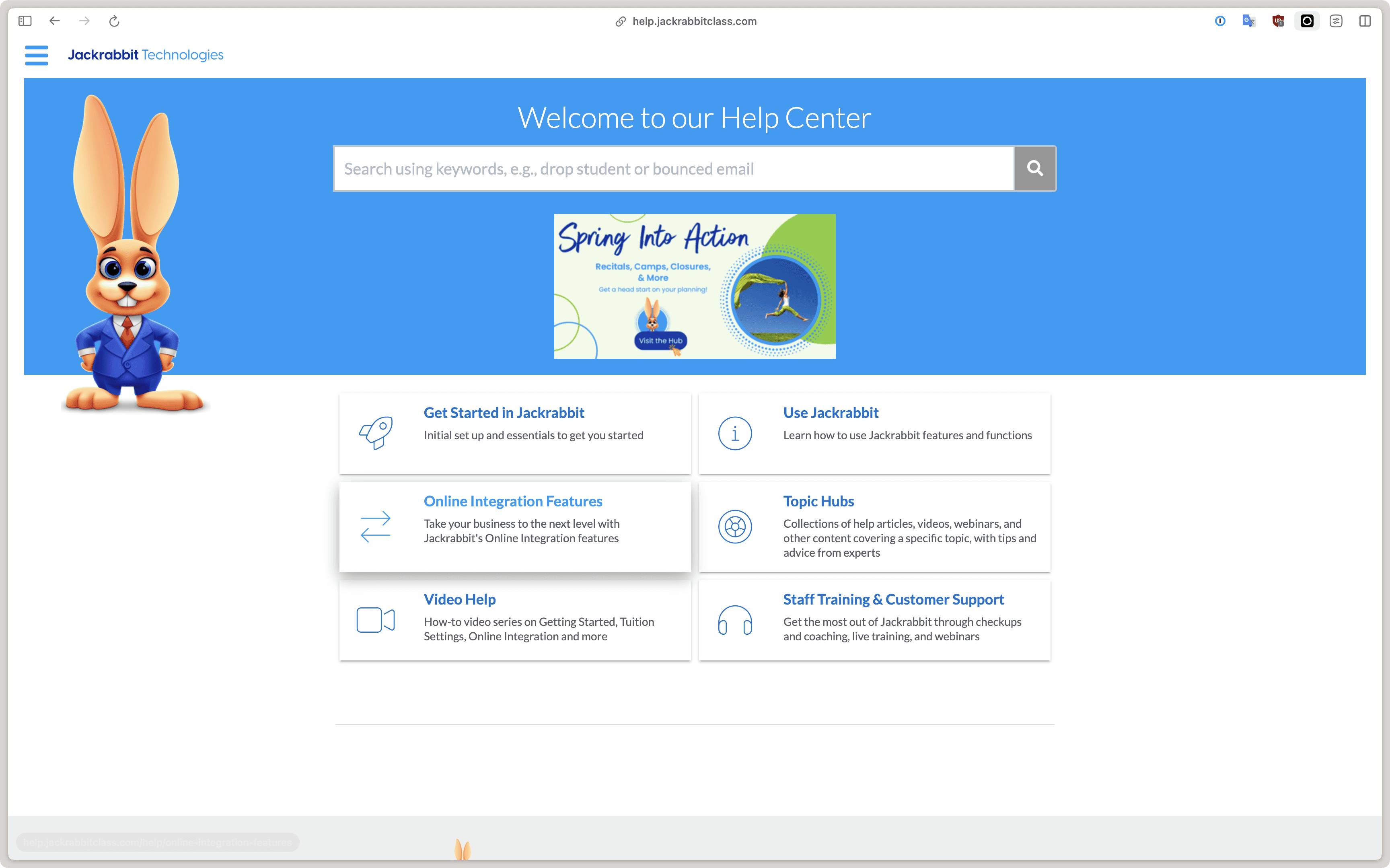
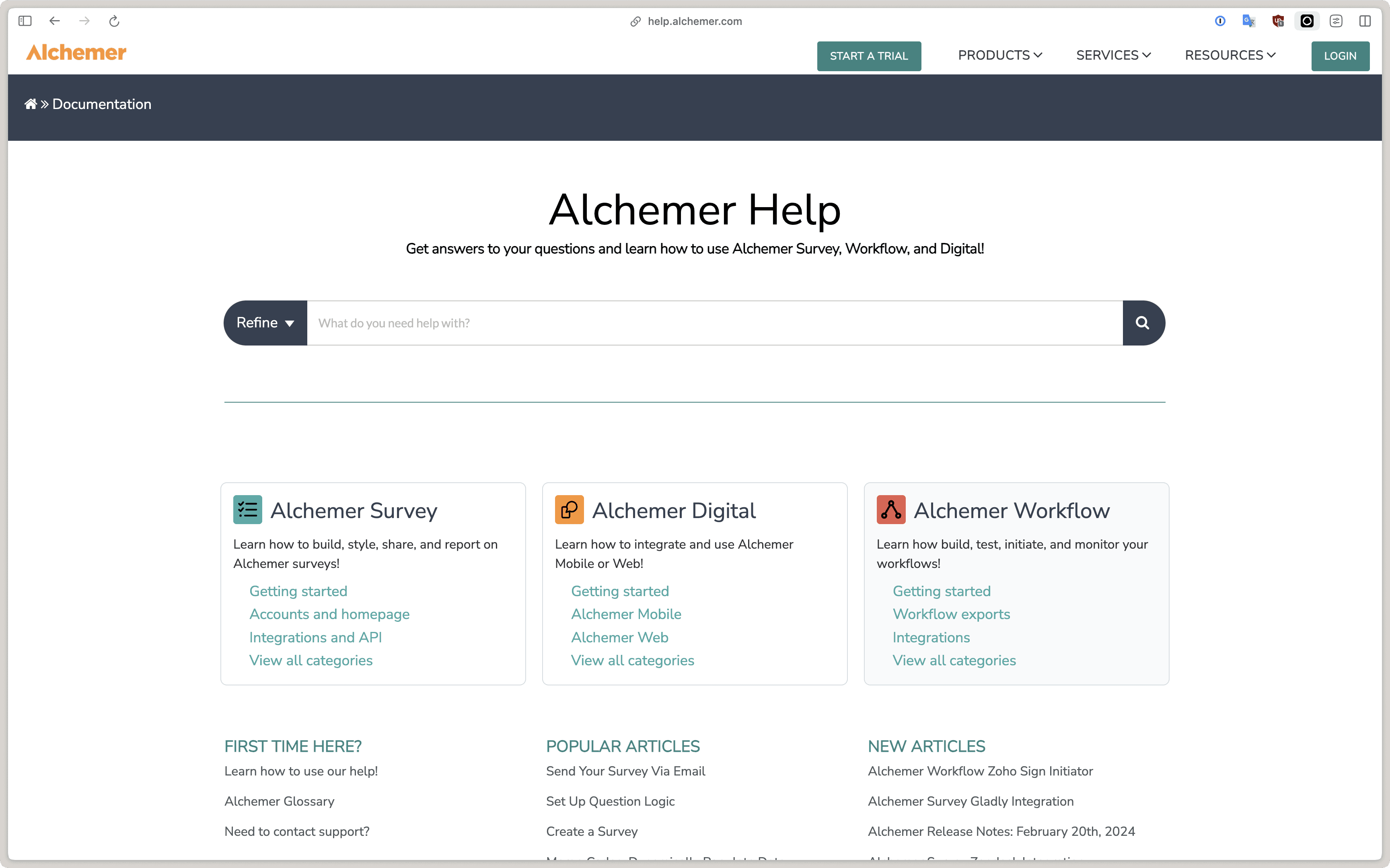
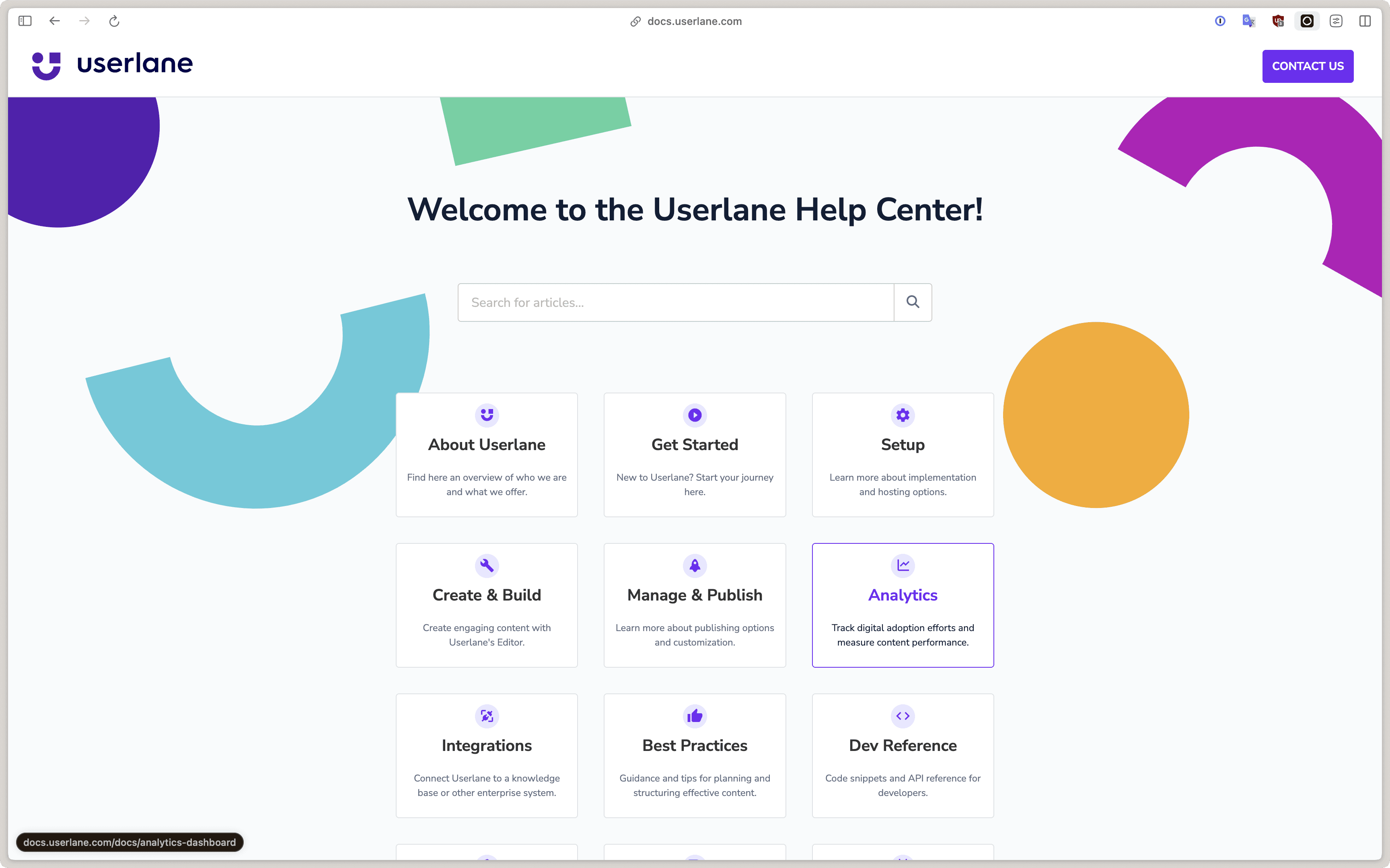
Customer self-service empowers your customers to solve problems with just a little bit of help from you. Think of a searchable knowledge base complete with case studies, video tutorials, and how-to guides.
But these resources should never replace traditional support completely.
Instead, self-service works together with regular phone support and live chat to offer your audience a full suite of support tools. If you think keeping up with these various customer support options will be too much to maintain, keep in mind that many modern VoIP systems offer features like voice calling, SMS messaging, live chat, email integrations, and more—all from a single dashboard.
That means it’s easier than ever to meet customers where they are and give them the support options they’re looking for.
So why should you offer both customer self-service and traditional support?
Think of self-checkout stands in a grocery store. In most stores, these stands have not completely replaced traditional cash registers. Instead, shoppers get to pick which type of checkout experience they’d like.
Some shoppers love the convenience and speed of a self-checkout stand. Others prefer a person-to-person interaction every time.
As long as both options exist, the store can keep its customers satisfied.
Can you imagine if stores only had self-checkout stands?
We can’t, either. Unfortunately, some online companies leave their customers in this exact type of lurch.
Let’s explore examples of good and bad self-service experiences throughout the e-commerce world.
Examples of accessible companies
Amazon has been dominating the e-commerce landscape ever since the early 2000s. And it's easy to see why.
Yes, the online shopping giant has a huge selection of items. But it also offers top-notch customer support—both self-service and traditional.
When you navigate to Amazon’s customer service page, you’ll find an array of self-service options. To make sure there isn’t immediate frustration, Amazon assures the customer that “You can quickly take care of most things here, or connect with us when needed.”
If a customer wants to speak directly to a support agent, they can do that by clicking the “Something else” button and then selecting the “I need more help” button. You can request a phone call or chat with a live customer service agent.
This is an ideal balance between self-service and traditional customer support methods. Amazon offers options for self-service while also making it clear that a customer service agent can be reached if needed.
Bluehost is another excellent example of self-service done well. As one of the most popular web hosting companies for WordPress, it almost certainly fields scores of service requests every day.
If users need help, they can either:
Navigate to Bluehost’s Contact page. Bluehost offers 24/7 support via live chat or phone.
Explore Bluehost’s AI-powered Resources page. If customers want to solve the problem themselves, they can explore Bluehost’s searchable knowledge base.
By separating these two forms of customer support, Bluehost makes it easy for customers to get the exact type of service they want.
Examples of companies that could do better
Most of us probably have never tried to contact Facebook’s (or rather, Meta’s) customer service. But if we have, well… we probably didn’t ever get to actually speak to someone.
That’s because Meta has no customer service phone number. And even if you do manage to scrounge up a number from some random crevice of the internet, calling it will not produce a human customer support agent.
We know. We tried both of Meta’s Palo Alto phone numbers—650-543-4800 and 650-308-7300. All we got was a recording that said, “We are unable to provide telephone support at this time.” Instead, you must navigate to the Help Center and cross your fingers that it will contain the answers you need.
And yes, the Meta Help Center is just a searchable knowledge base. There are no easily accessible forms or emails to be found.
We’d understand the lack of support more if all Meta offered was Facebook. But Meta now has a suite of products—from the Meta Quest to WhatsApp to advertising services.
Providing an easily accessible customer service number would provide users with a better customer support experience across its various platforms.
The importance of choice
If you think that publishing your phone number means customers will spend all their time calling you, think again. According to a study published by Zendesk, 69% of customers try to figure their problem out on their own before looking for a phone number or live chat.
With our knowledge base software at KnowledgeOwl, you'll be ready to give these customers the self-help options they need. And if they need more than your knowledge base to help them answer a question, you can (and should!) provide a readily available live chat or phone number, too.

Written by
Catherine Heath
Catherine is a freelance writer based in Manchester who writes blogs, social media content, and copy. She also designs owl-based images. 🦉

Follow these 3 steps to improve your knowledge base
1
Get expert tips every month in your inbox
No spam, pinky promise.


2
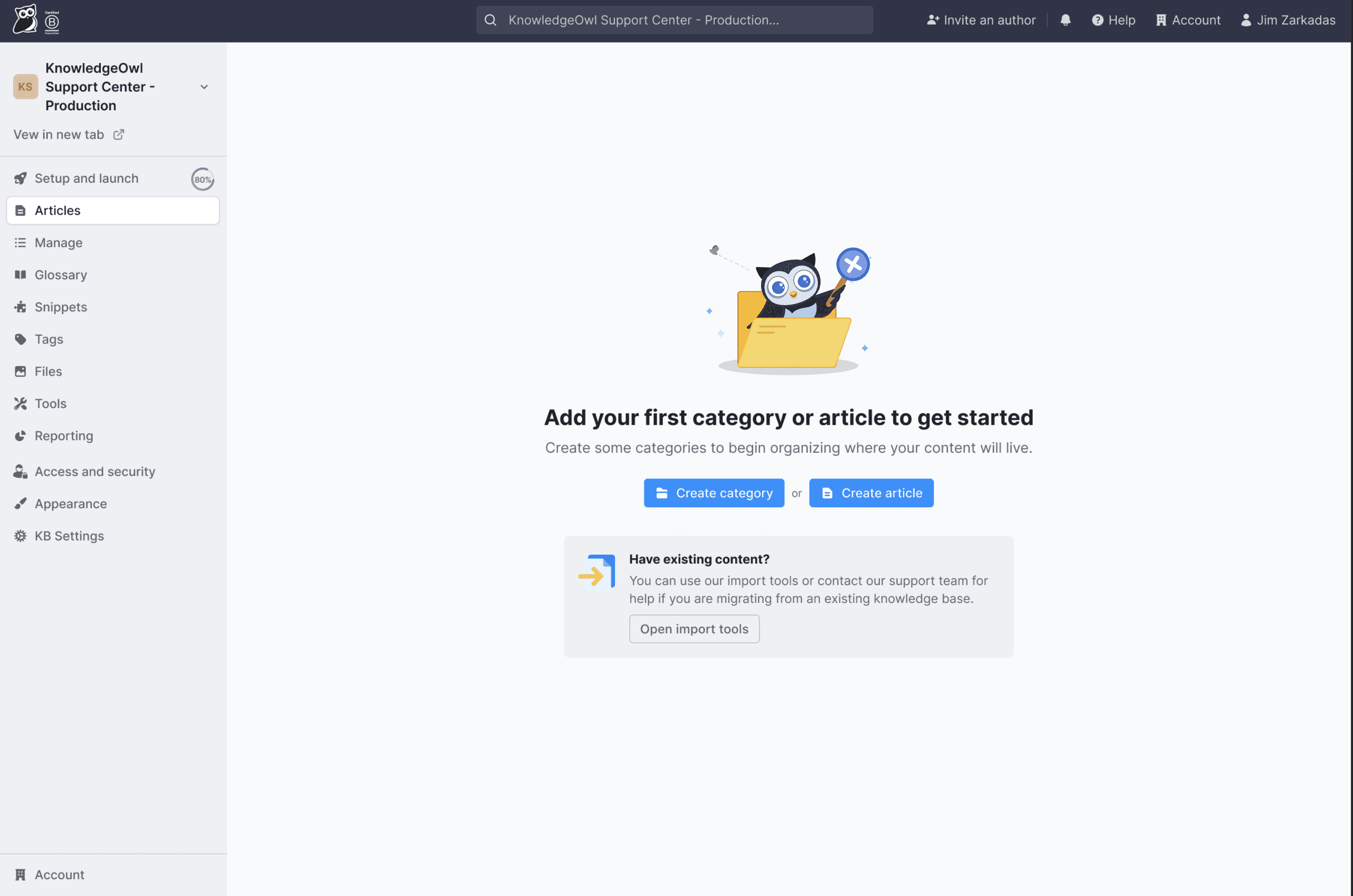
Try the knowledge base software your team will fall in love with
Reduce tickets, make information easy to find.
Happier employees, happier customers.
3
Become the tech writer everyone respects
Check out our podcast, The Not-Boring Tech Writer.

How teams are using KnowledgeOwl
Loved by 3,200+ knowledge base authors in software companies around the world