All articles
What is a knowledge base? Don't get caught out at dinner parties.
We wrote this article to help you avoid any embarrassment at dinner parties in case the topic of knowledge bases came up. But seriously, how do you describe it to the layman?
Published
Category
What is a knowledge base?
Don't get caught out at dinner parties.
Catherine Heath | August 22, 2016
We wrote this article to help you avoid any embarrassment at dinner parties in case the topic of knowledge bases came up.
Only joking.
If you’re reading this article you probably have some interest in information architecture or knowledge management in your company. Even if you’re a complete beginner, everyone has experience of knowledge management in some way.
Techopedia defines a 'knowledge base' as:
"a database used for knowledge sharing and management".
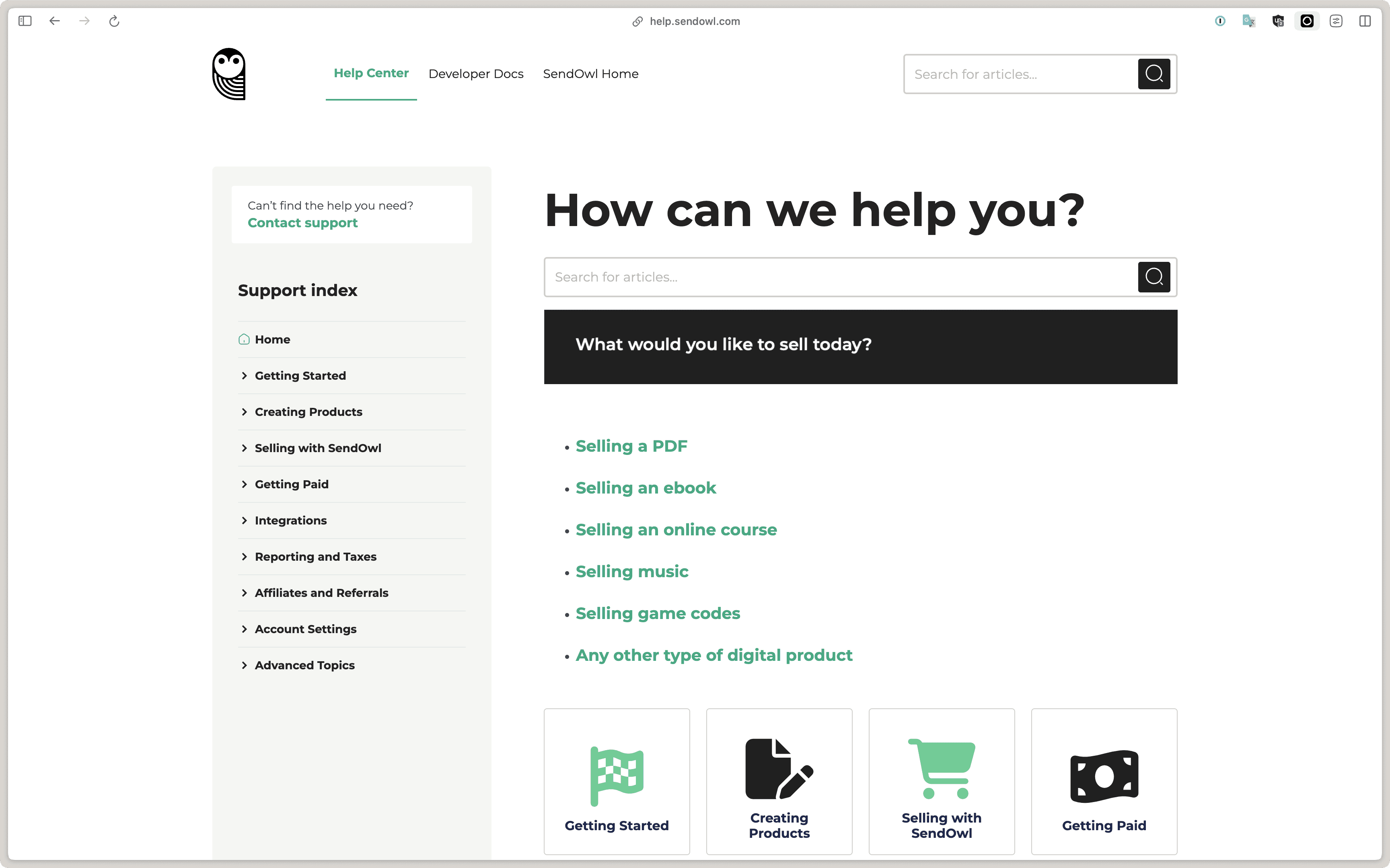
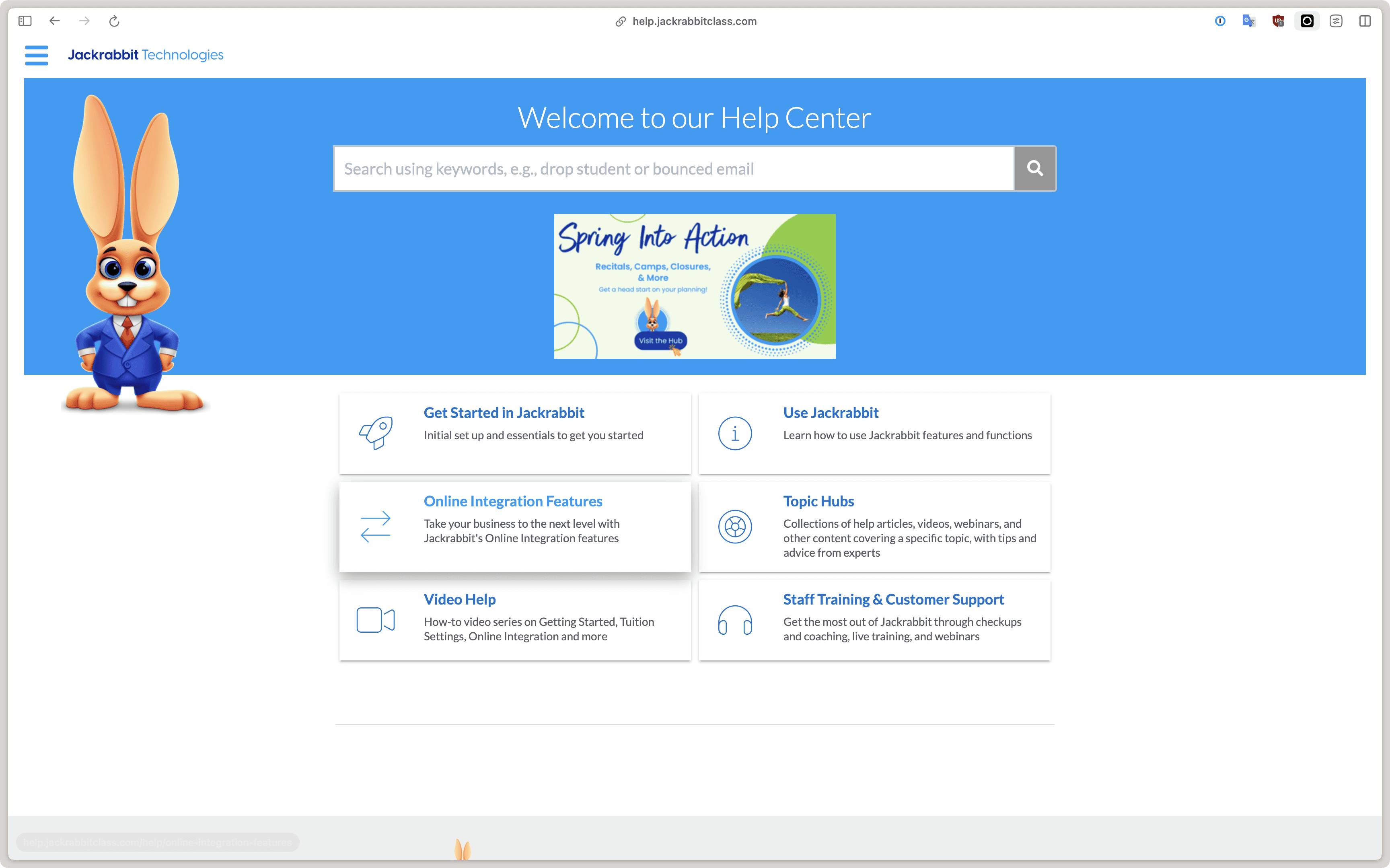
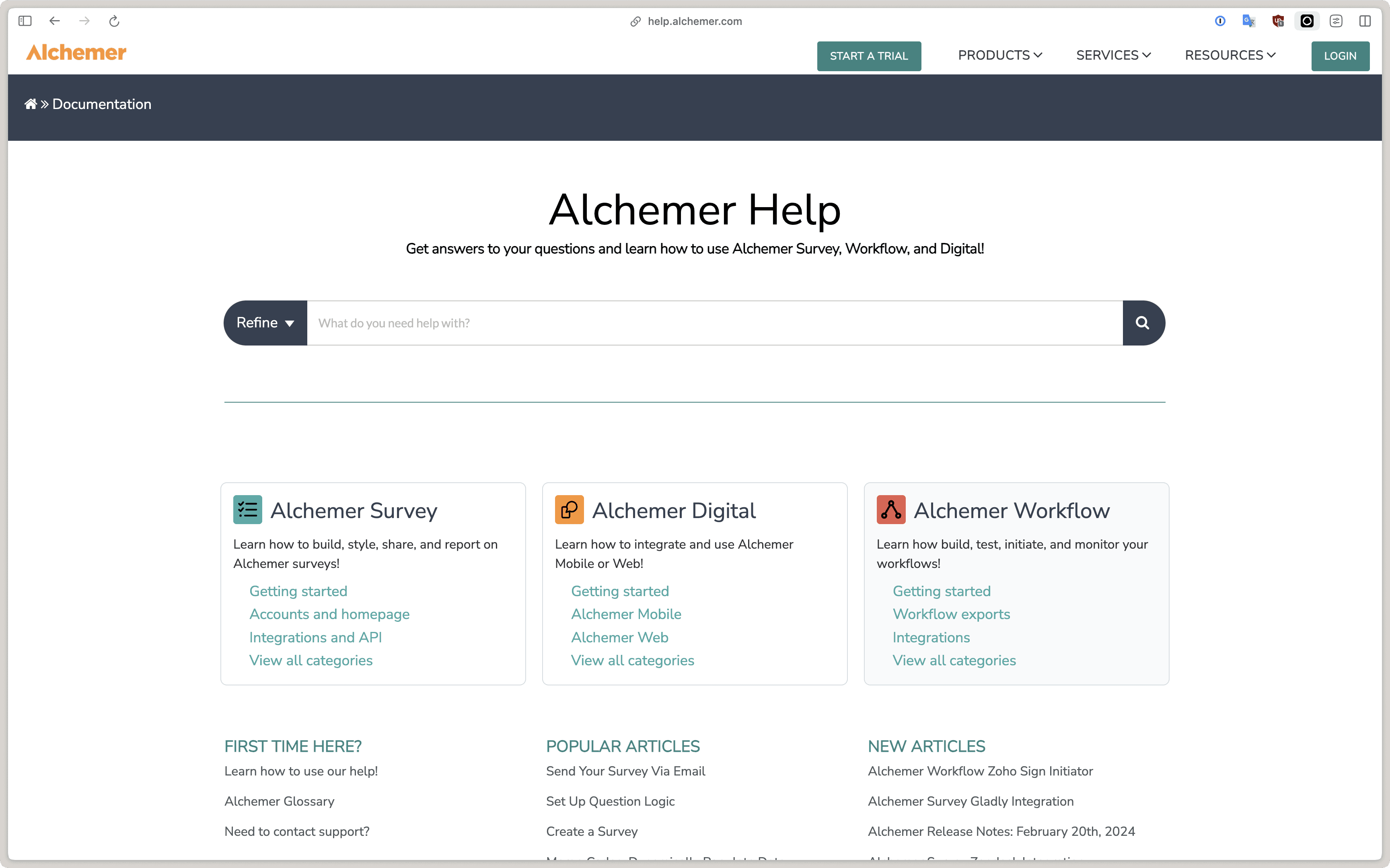
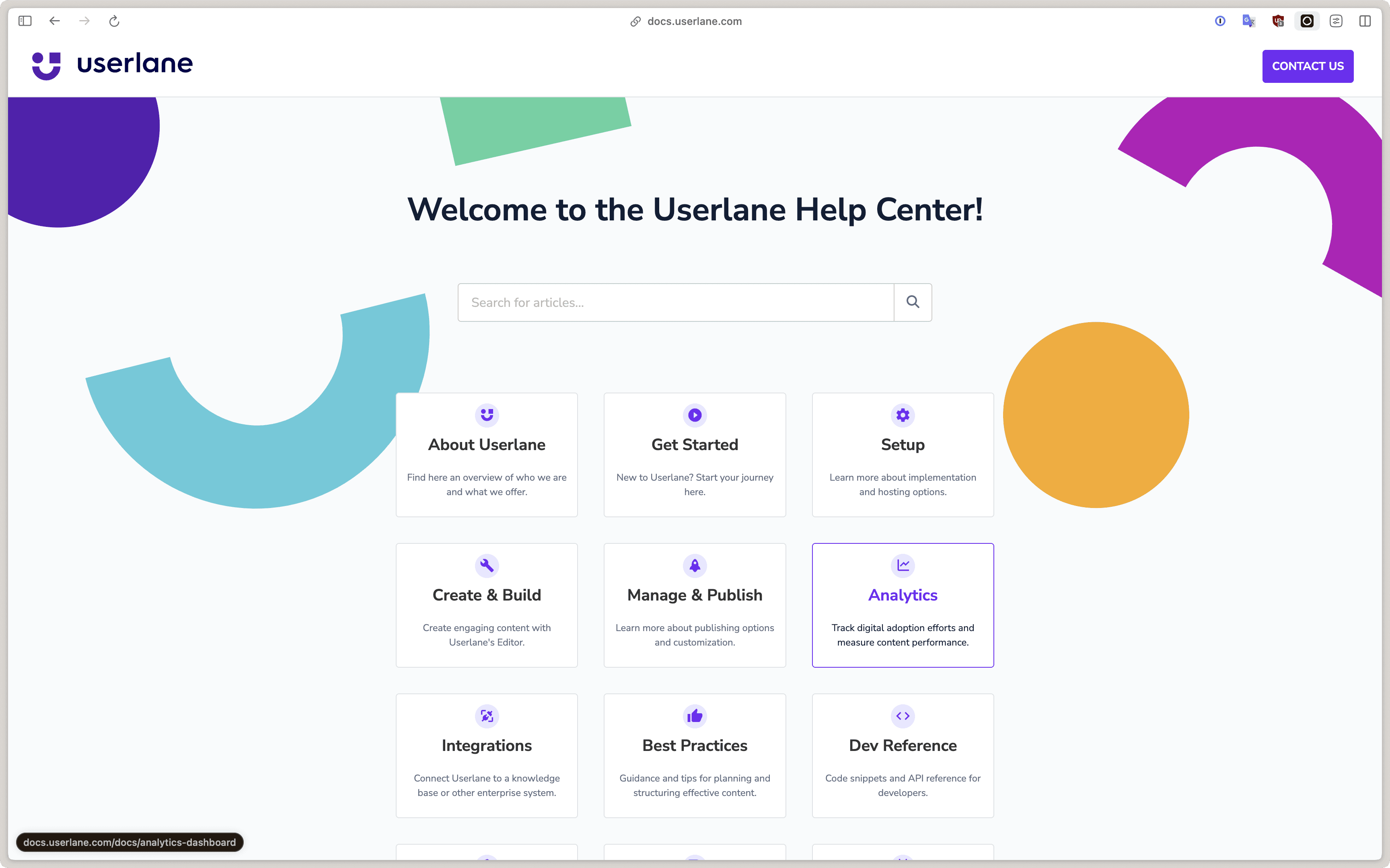
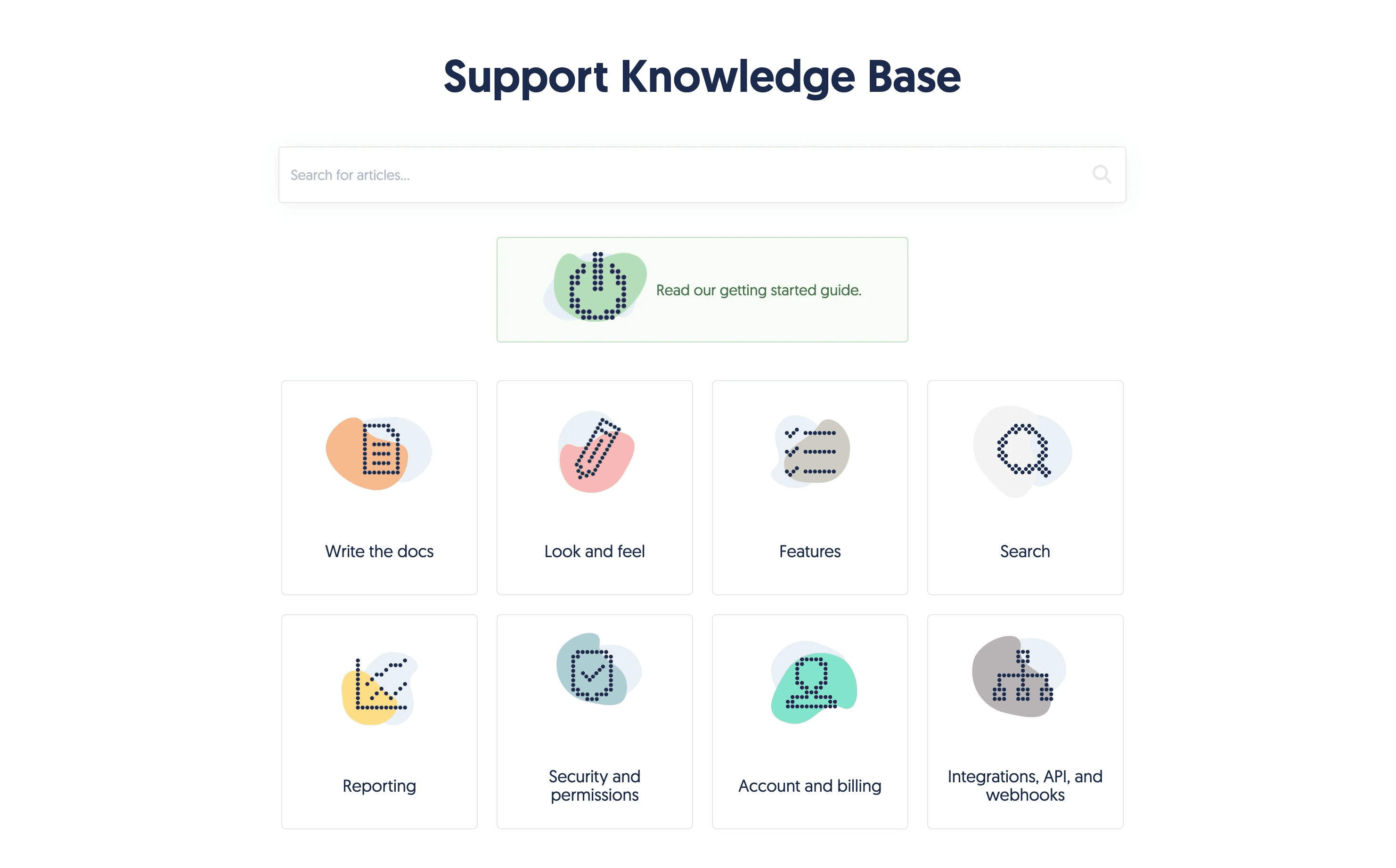
A knowledge base is simply a store of information or data, relating to your company’s service or product that is of use to your customers. A knowledge base is online and is usually accessed via a website, that may or may not be secure.
A lot of websites can actually just be described as knowledge bases, but usually knowledge bases are built specifically with customer support in mind. A knowledge base will usually look company branded, but appear a subdomain of your website.
And just in case you were wondering, consensus shows it is written 'knowledge base' (two words) rather than the less common ‘knowledgebase’.
The purpose of a knowledge base
The purpose of a knowledge base is to enable customers to self-serve their own queries. That means they can find the information they need without having to speak to a human agent - however, you should always include your company contact details on your knowledge base, just in case.
A knowledge base can also be internal, meant for your company staff members only, or it can be for your external customer pool.
It is solely focused on being an information repository for customer support, and it will generally be updated by your agents on a continuous basis to ensure ongoing relevance.
Characteristics of a knowledge base
The term knowledge base tends to imply some level of intelligence in the system, rather than simply being a collection of random bits of information.
For example, depending on the search query entered by the user and their past behaviour, the knowledge base can behave dynamically, selecting more relevant results for that particular user.
A knowledge base can range from between a few dozen pages to a few thousand, but most will hover somewhere in the middle. The bigger it gets, the more important it is that you pay attention to your information architecture.
Information in your knowledge base is categorized according to a system, with a hierarchy applied to articles to ensure that content remains meaningful for the user.
Knowledge bases should use analytics software to examine user behaviour, in order to help help your knowledge base architects to design better systems.
There are quite a variety of knowledge base software solutions out there depending on your exact needs. They range from our own software, KnowledgeOwl, to HelpJuice, to Kayako, to ZenDesk.
KnowledgeOwl offers sophisticated and affordable knowledge base software for small companies to enable your business to flourish. Don’t hesitate to contact us today to find out more about how we can help.
{{snippet.authorCatherineHeath}}
{{snippet.Disqus}}

Written by
Catherine Heath
Catherine is a freelance writer based in Manchester who writes blogs, social media content, and copy. She also designs owl-based images. 🦉

Follow these 3 steps to improve your knowledge base
1
Get expert tips every month in your inbox
No spam, pinky promise.


2
Try the knowledge base software your team will fall in love with
Reduce tickets, make information easy to find.
Happier employees, happier customers.
3
Become the tech writer everyone respects
Check out our podcast, The Not-Boring Tech Writer.

How teams are using KnowledgeOwl
Loved by 3,200+ knowledge base authors in software companies around the world