All articles
STC Summit – Translation and localization techniques in technical writing by Karen Tkaczyk
Translation and localization projects can be time-consuming, difficult and expensive. Professional translator Karen Tkaczyk tells us how to make translations go more smoothly.
Published
Category
STC Summit – Translation and localization techniques in technical writing by Karen Tkaczyk
Catherine Heath | May 11, 2019
This was an interesting talk I attended at STC Summit 2019. It was delivered by freelance translator Karen Tkaczyk and called “How Many Languages? Help!”.
Translating technical content is an important area for many companies, and yet many translation projects can be costly, time-consuming and difficult. This doesn’t have to be the case. Karen offered some good insights into the nature of translating technical content, how to hire the best translator for your project, and how to potentially reduce costs.
Translations in technical writing
As companies expand to new markets and try to offer their products to people that don’t speak english, translations are likely to become an increasingly important component of your localization strategy.
Translation in technical writing is an important subject, but it’s often completed as an afterthought at the end of a project. Translations can be complex and time-consuming, so it’s important to involve your translator as early as possible. Most translators can work at a rate of about 2000 words a day, but this of course varies.
Translators use various types of tools to get their work done, including Translation Management Systems, Computer-aided Translation Tools, Terminology Management Tools, and QA tools. A shocking number of translators rely heavily on Excel.
How to hire a translator
Karen’s technical area of expertise is in chemicals, and as a result she is a highly specialized translator translating from French into English. Karen recommends that your translator’s native language should be the language you want to translate into. As a result, they should not be a native english speaker.
Most translators are not generalists, and you should generally be hiring a specialist to translate your documentation. They are likely to get certified by the American Translators Association, depending on which country your translator is based in. The ATA is where you can also look for translators for hire.
“Translators are often invisible,” says Karen. They are the last link in the process, even more unnoticed than technical writers. Translation is always written, and interpretation in the spoken process. Interpreters are more likely to be extroverts.
How to make translation less expensive
“A good translation can be a creation,” Karen says. But it’s possible to write your documentation in a way that can make translation less expensive later down the line. Many languages “expand” when you translate so content can take a lot more time to produce.
Professional technical writers generally know the rules of translatable content. Following the principles of plain english is the best approach. Here are some quick tips from Karen:
Avoid contractions in your technical writing and don’t be too casual.
Avoid any stylized jargon and when naming things, just pick one name and stick with it.
Don’t try to sound “hip” in your documentation and write in simplified technical English.
Spend time on your brief
Writing a good brief is an important part of a successful translation. Explain as much information as possible for your translator.
Here are some tips:
Let your translator in on the final intention for and audience for the piece.
Tell your translator what style you would like – for example, do you need “elegant” prose?
Send over previous successful translations as an example.
Plan for a review cycle, and tell your translator which style guide you’re using. Translators normally have to ask for feedback and often don’t get to see the finished content, so make sure you offer feedback on their work.
Simplifying translations
Translations can be a tricky task, but they don’t have to be. The key is to plan them in early, find the right translator, and write information briefs.
If you write your documentation in plain english and follow technical writing best practices, you’ll be in a great place to minimize costs when it comes to localization and translation.
Check out this write-up by our community builder Catherine's overall experiences of STC Summit.
Our very own knowledge base software KnowledgeOwl can help you create delightful documentation for your users. Take it for a free spin now.
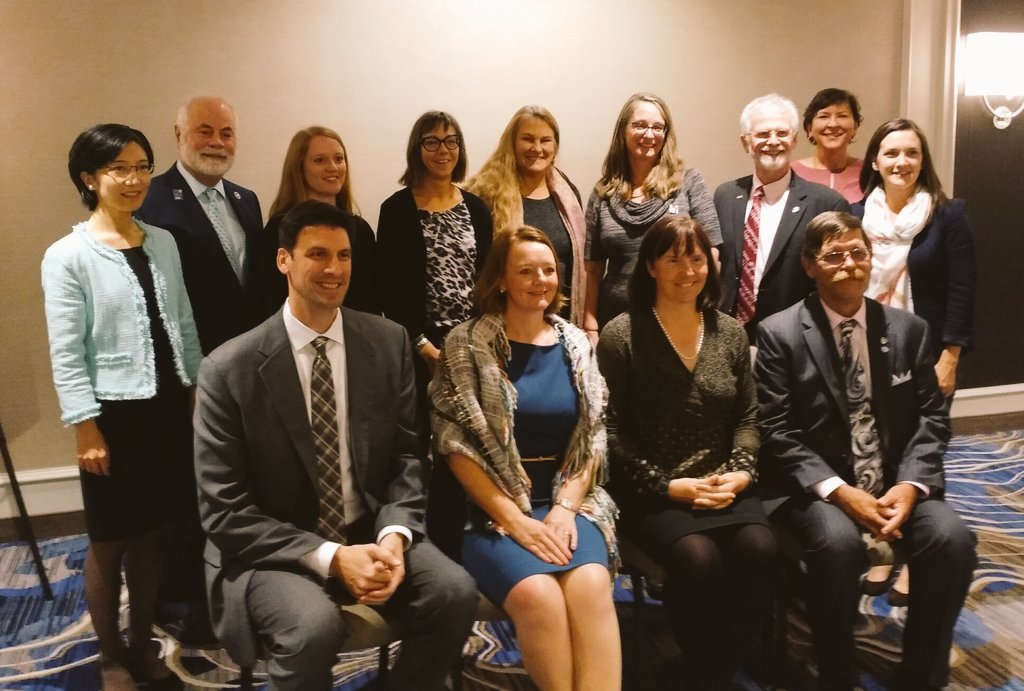
Main image: Karen Tkaczyk (front center)

Written by
Catherine Heath
Catherine is a freelance writer based in Manchester who writes blogs, social media content, and copy. She also designs owl-based images. 🦉

Follow these 3 steps to improve your knowledge base
1
Get expert tips every month in your inbox
No spam, pinky promise.


2
Try the knowledge base software your team will fall in love with
Reduce tickets, make information easy to find.
Happier employees, happier customers.
3
Become the tech writer everyone respects
Check out our podcast, The Not-Boring Tech Writer.
How teams are using KnowledgeOwl
Loved by 3,200+ knowledge base authors in software companies around the world