All articles
The ultimate knowledge base software buying guide, part 2
The second and final installment of our knowledge base buying guide: Learn how to compare platforms, run effective trials, and make a confident final decision that's right for your team.
Published
Category

How to compare, evaluate, and make your final choice
A practical framework for comparing options and making your final decision
You've defined your audience, identified your author team, and listed your must-have features. Now comes the hard part: actually evaluating knowledge base platforms to find the right fit.
This guide provides a practical framework for assessing whether platforms meet your requirements, what to look for in demos and trials, and how to make your final decision with confidence.
If you haven't yet defined your requirements, start with Part 1 of our knowledge base software buying guide.
Evaluating essential feature categories
Now that you know what features matter for your specific needs, here's how to assess whether platforms deliver on those features effectively. These are common feature categories that most knowledge base buyers evaluate—focus on the ones you identified as important in your own requirements.
Search functionality and information findability
If your knowledge base has more than a handful of articles, search becomes critical. Poor search means frustrated users and more support tickets. Additionally, many readers navigate to content, not just search it. You want a solution that allows people to find what they need, however they are choosing to search for it.
What to look for:
Semantic or hybrid search that understands intent, not just keywords
Automatic indexing of all content
Typo tolerance
Search analytics that show what people search for
The ability to optimize search results
How to evaluate it: Ask during demos: "Can you show me what happens when someone searches with a typo or uses different terminology than your article titles?" Watch for how the search handles real-world queries.
When it matters most: Large knowledge bases, customer-facing documentation, technical documentation where users may not know exact terminology.
When it matters less: Very small knowledge bases (under 20 articles), API reference docs with clear navigation.
Access control and permissions
How granular is the control over who sees what content?
Key questions:
Can you create reader groups with different access levels?
Can you mix public and private articles in the same knowledge base?
Does it support SSO with your existing identity provider?
Can you control access at both the category and individual article level?
Can you maintain multiple knowledge bases for different audiences?
How to evaluate it: Ask to see: "How would I restrict this article to internal employees only while keeping this other article public?" Look for how many clicks and how much complexity is involved.
When it matters most: Mixed internal/external audiences, sensitive information, companies with complex permission needs, regulated industries.
When it matters less: Fully public knowledge bases, small internal teams where everyone sees everything.
Content organization
How does the platform help readers navigate and find information?
What to evaluate:
Category and subcategory structures (How deep can you nest? How flexible is the organization?)
Tagging and labeling systems
Related articles suggestions
Table of contents generation
Breadcrumb navigation
Custom homepage options
How to evaluate it: Ask to see their own knowledge base or a demo site with realistic amounts of content. Can you intuitively find information? Do you immediately understand where you are? Can you easily find your way back to where you started, if you took a wrong turn in navigation?
When it matters most: Large knowledge bases with diverse content, multiple audiences needing different navigation paths, content that doesn't fit in strict hierarchies. More people navigate to find answers than you’d think!
Customization and branding
Your knowledge base is an extension of your brand.
What to consider:
How much can you customize the knowledge base’s look and feel?
Does it support your brand colors and fonts?
Can you customize the URL structure?
Can you add custom CSS/HTML/JavaScript if needed?
Is there a mobile-responsive design?
How to evaluate it: Look at example knowledge bases from other customers. Ask: "How much of what I'm seeing is default vs. customized?" Request to see the customization interface.
When it matters most: Customer-facing knowledge bases where brand consistency is important, companies with specific design system requirements.
When it matters less: Internal knowledge bases where function trumps form..
Content creation and editing
The editor is where your authors will spend most of their time.
What to look for:
WYSIWYG (what you is what you get) editor with formatting options
Easy image and video embedding or uploading
Code block support (if relevant to your content)
Content reusability (snippets, variables, etc.)
Article template options
Options for setting different publishing statuses (draft, needs review, published, etc.)
How to evaluate it: Don't just watch a demo—actually use the editor yourself during a trial. Create a real article from your existing documentation. How does it feel? How many clicks to do common tasks?
When it matters most: Teams creating content daily, technical documentation requiring code blocks and specific formatting, teams that need content reuse.
Analytics and insights
You can't improve what you don't measure. Seeing what your readers are searching, reading, and viewing their journey within your knowledge base can give you documentation superpowers.
Important metrics to look for:
Article views and engagement
Search terms (especially searches with no results)
Reader journey and navigation patterns
Content gaps and popular topics
Entry/exit pages
Time-based trends
How to evaluate it: Ask: "Can you show me your analytics dashboard?" Look for whether insights are actionable or just vanity metrics. Can you actually identify content problems?
When it matters most: Customer support teams tracking deflection, content teams optimizing articles, organizations managing large knowledge bases.
When it matters less: Very small internal knowledge bases, teams without time or interest in analytics.
Integration capabilities
Your knowledge base should connect with your existing tools.
Common integrations to check:
In-app widgets for contextual help
SSO providers (Okta, Azure AD, Google Workspace, etc.)
Help desk platforms (Zendesk, Intercom, Freshdesk, etc.)
API access for custom integrations
Chat platforms like Slack
How to evaluate it: List your must-have integrations from your requirements. Ask specifically about each one. If they don't have a pre-built integration, how difficult is it to build one with their API?
When it matters most: Teams with established workflows that shouldn't be disrupted, companies requiring SSO for security, support teams needing tight help desk integration.
AI features
Many platforms now include AI capabilities. Evaluate these critically based on your actual needs.
Potentially useful AI features:
AI writing assistance for authors (with your control over prompts and output)
AI chatbots that cite sources and admit when they don't know
Semantic search powered by AI
Style guide assistance
Red flags:
AI chatbots that make up answers when they don't know
AI features that try to replace quality content rather than enhance it
"AI-powered" as marketing without clear implementation details
No controls over AI behavior or output
How to evaluate it: Ask to see the AI features in action with real queries. Ask: "What happens when the AI doesn't know the answer?" Look for whether it hallucinates, says "I don't know," or points to a human.
When it matters most: Teams who would like assistance in drafting content, or help with adhering to their style guide, readers who would like to find answers via an AI chatbot.
When it matters less: Teams skeptical of AI, regulated industries where AI outputs need extensive review, teams whose content doesn't work well with current AI technology.
Considering total cost of ownership
Look beyond the monthly subscription price.
Pricing structure questions
Is pricing based on the number of knowledge base websites, authors, articles, or readers?
What happens if you need to scale up—how will that impact your pricing?
Are there limitations on the base plan that will force an upgrade?
What's included in each pricing tier?
Are there setup or onboarding fees?
Implementation costs
How long does a typical setup take?
Will you need developer help, or can non-technical staff handle it?
Does the vendor provide migration assistance?
If you have existing content, what are the import options?
Are there training resources available?
Ongoing maintenance
How easy is it to make changes?
What support options are included?
Are there any features that can help with maintenance tasks?
Cost of switching later
How easy is it to export your content?
Can you keep your same URL structure?
What's involved in migration if you need to change platforms?
Why this matters: The cheapest option often costs more in the long run through lost productivity, higher support volume, or the cost of switching platforms later.
Evaluating vendor factors
The software is only as good as the company behind it.
Customer support quality
Knowledge base vendors should practice what they preach by offering excellent support.
Research:
What support channels are available? (Email, chat, phone?)
What are the response times? Are these general estimates or covered by Service Level Agreements (SLAs)?
Is support included or an add-on?
Are they transparent about pricing, and what is/isn’t included in each plan type?
Read reviews specifically about their support quality
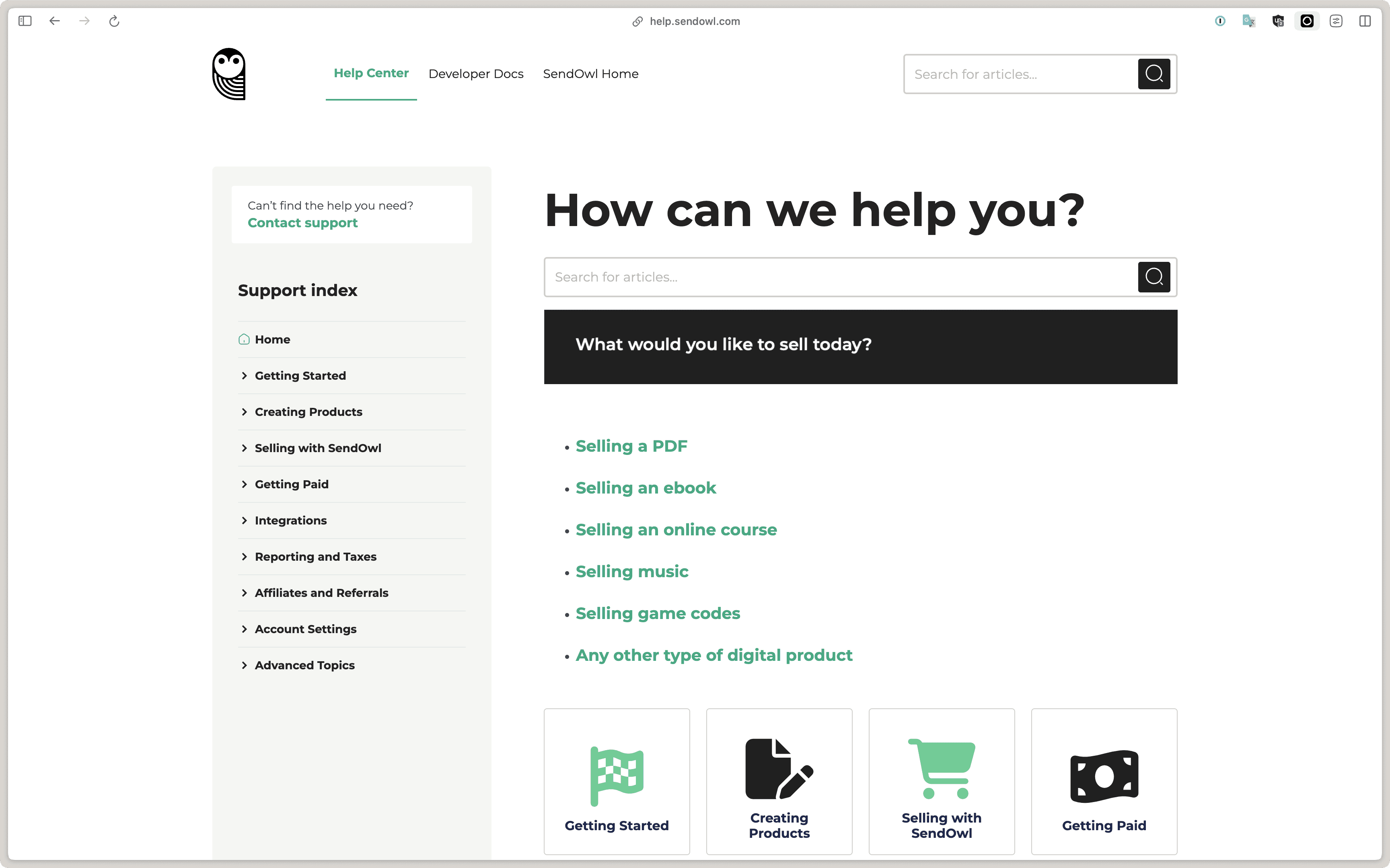
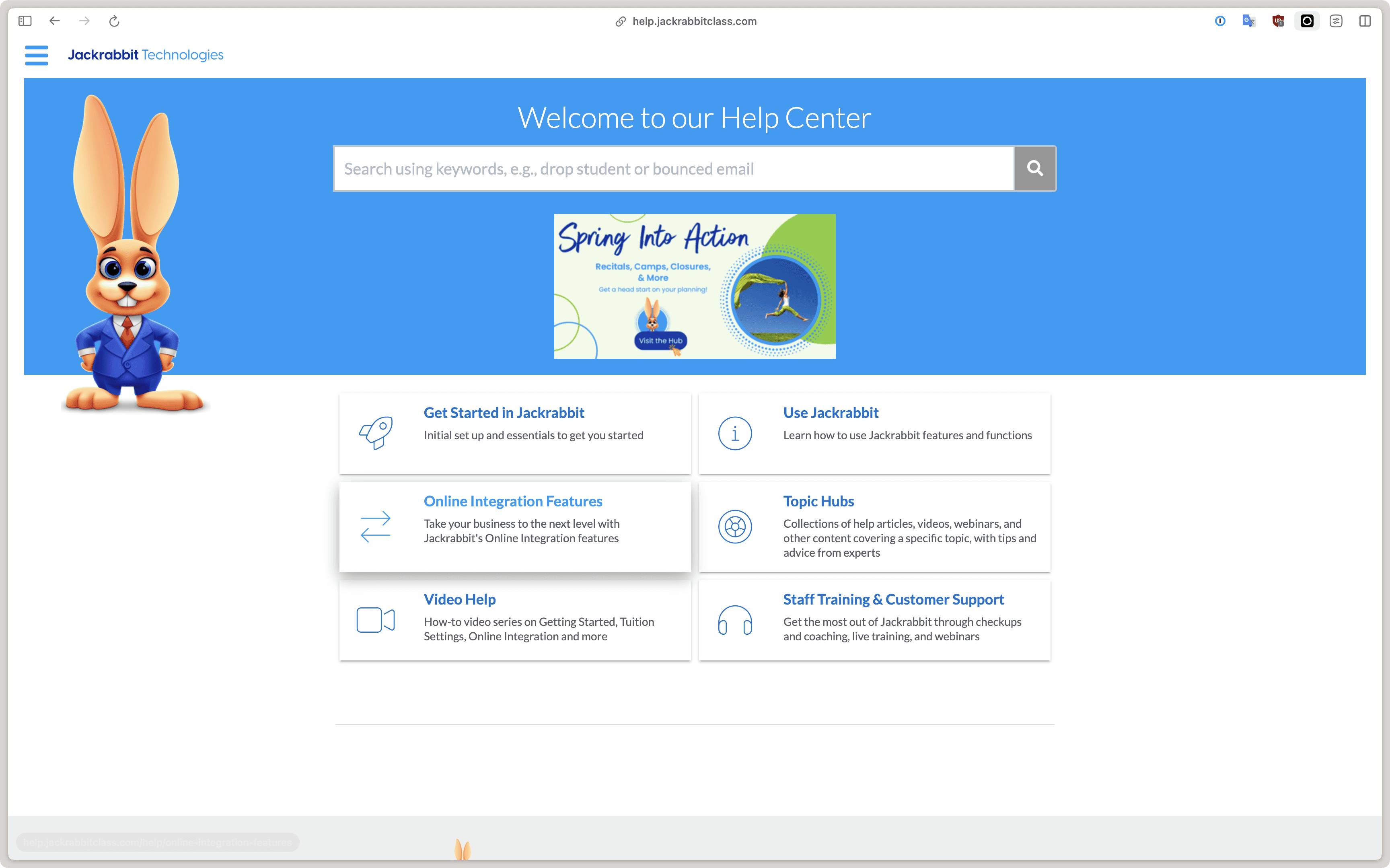
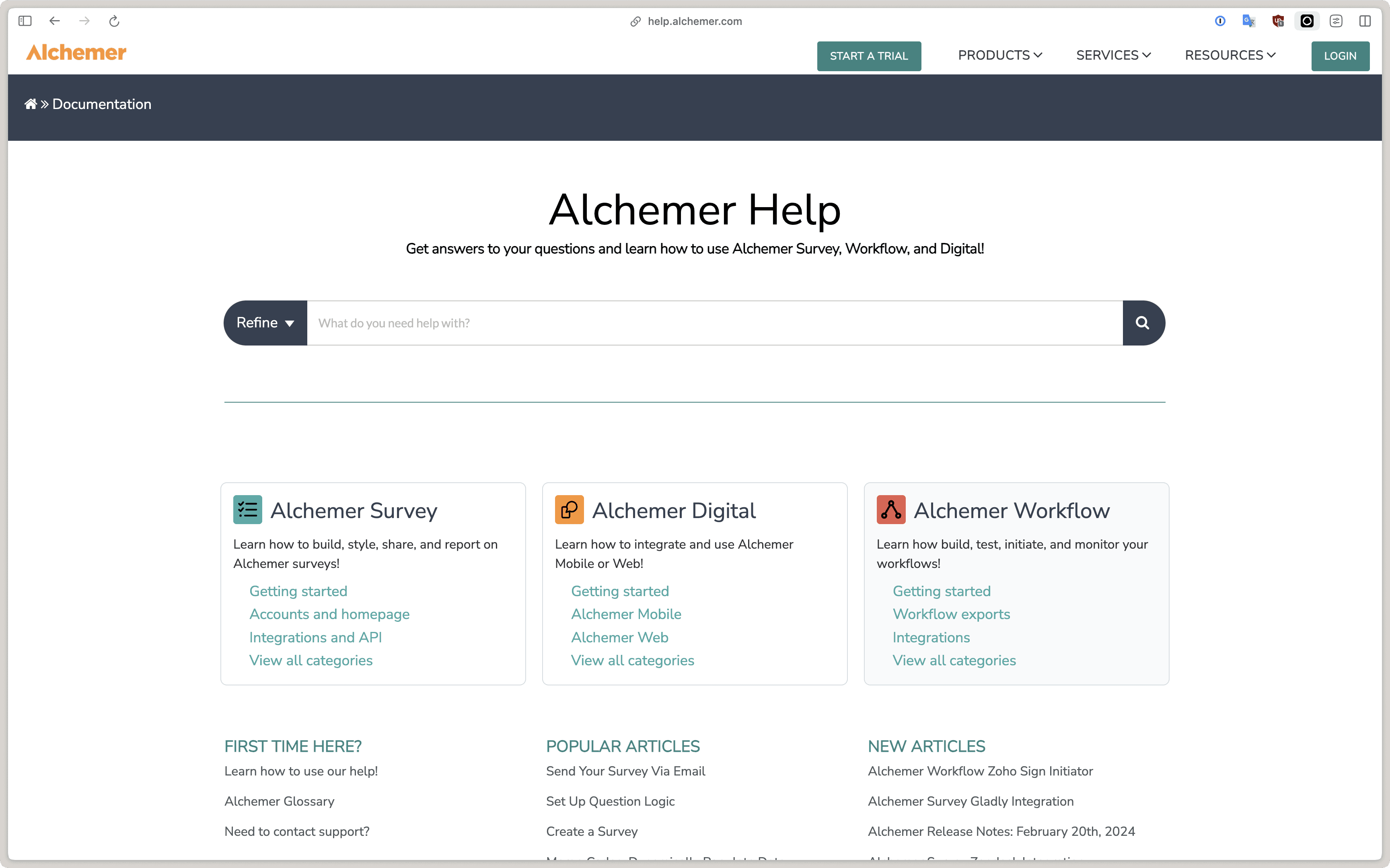
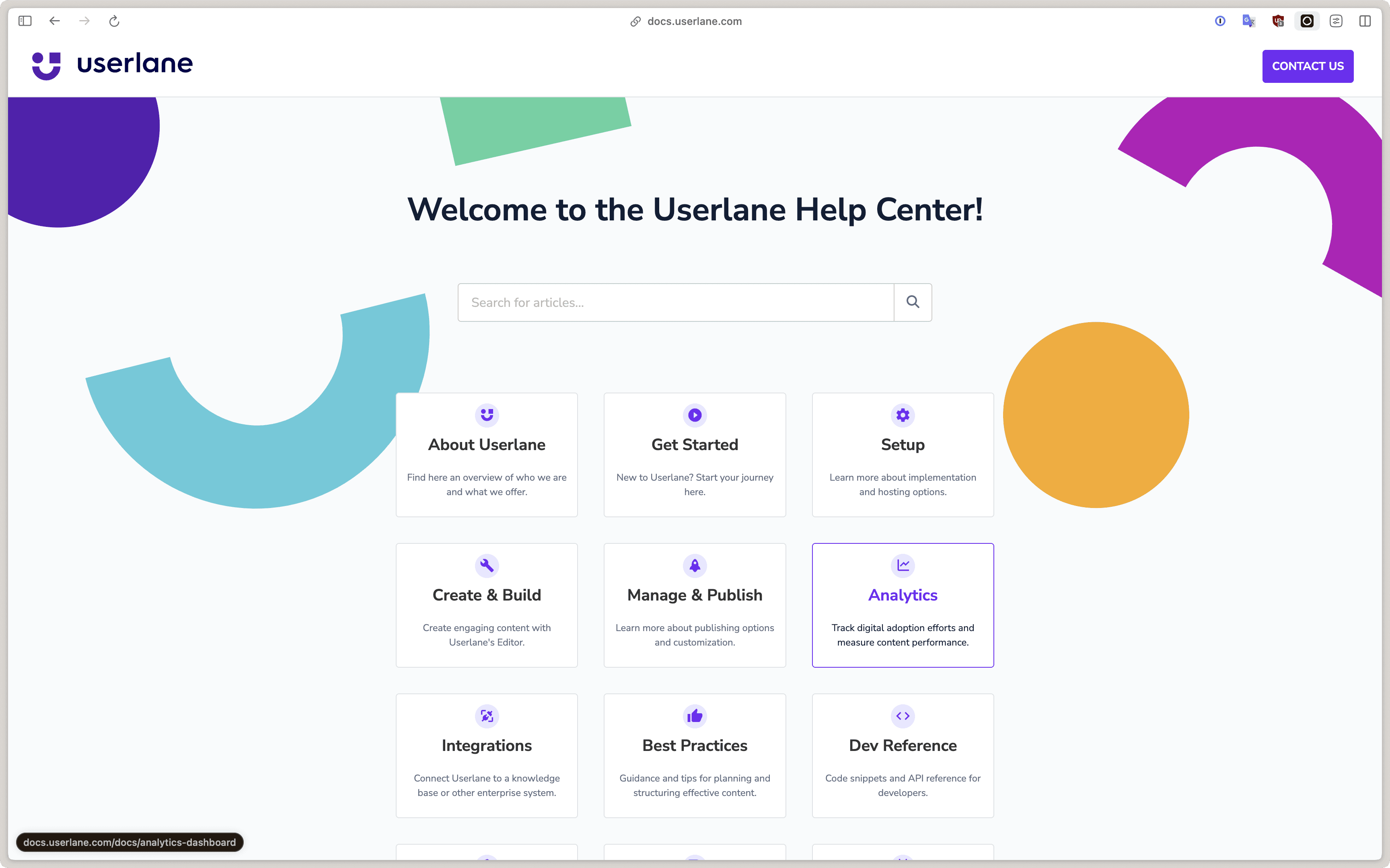
Check if they have their own knowledge base (and whether it's actually helpful)
How to evaluate it: During your trial, reach out to support with a question. How long until you get a response? How helpful is it?
Company stability and values
Consider:
How long has the company been in business?
What's their product development approach?
Do they share your company values?
Are they a good partner for the long term?
Do they make public a status page or uptime tracker?
Have they had major outages in the last 6-12 months?
How to evaluate it: Look at their website's About page, read their blog, check their status page. Are they transparent?
Product roadmap
Is the product actively developed?
Do they share their roadmap publicly?
How do they handle feature requests?
What's their track record of following through?
How to evaluate it: Ask: "What have you released in the last 6 months?" and "What is your process for prioritizing development work?" Look for signs of active development vs. stagnation.
Hands-on evaluation
Once you've narrowed to 3-5 options based on your requirements, it's time to try them yourself.
Request demos strategically
Don't just watch a canned demo. Prepare specific scenarios based on your requirements:
"Can you show me how a customer would find information about [specific topic from your docs]?"
"How would I restrict this article to internal employees only?"
"What happens when someone searches for [term your customers actually use]?"
"Can you walk through your reporting features?"
"How do I [specific workflow from your requirements]?"
Take advantage of free trials
Most knowledge base platforms offer -30 day trials.
During your trial:
Create real articles from your actual documentation (not generic test content)
Invite a few team members to test the author experience
Test the search with realistic queries your users would actually type
Try the mobile experience
Reach out to support with a question
Review the analytics after a few days of use
Test any must-have integrations
Don't waste time on:
Excessive customization during the trial—you're evaluating function, not design
Setting up your entire knowledge base—test representative examples
Getting stuck on issues you could easily ask support about
Use a comparison framework
Create a simple spreadsheet to score each platform against your requirements:
Must-have features (dealbreakers):
Note: Yes/No for each platform
If it's a "No," that platform is eliminated
Important features (strong preference):
Score: 1-5 for how well implemented
Weight these scores in your final decision
Nice-to-have features (bonus):
Score: 1-3
Don't let these outweigh must-haves or important features
This helps you make objective comparisons beyond just "feel."
Common mistakes to avoid
Choosing based solely on price
The cheapest option often costs more in the long run through:
Lost productivity from poor user experience
Higher support volume from ineffective search
Time spent working around limitations
Cost of switching platforms later
Picking a tool that's too complex
Enterprise features are impressive, but if your team of three won't use 90% of them, you're paying for unnecessary complexity. Choose something you'll actually use. If you aren’t sure about the importance of certain features, ask Support or Success to explain typical use cases of the feature(s).
Ignoring the author experience
Fancy front-end features don't matter if your team hates creating content within the knowledge base. A clunky authoring experience leads to outdated documentation. Ask your authors to explain what they like/don’t like about any software you’re evaluating, it may help you uncover time-saving features you didn’t know you wanted.
Forgetting about mobile users
Many knowledge base readers use mobile devices. If your knowledge base doesn't work well on phones, you're creating a bad experience for a significant portion of your audience.
Not planning for growth
Think 2-3 years ahead:
Will this scale as you add more content?
What happens when you need to add new audiences or knowledge bases?
Will pricing become prohibitive as you grow?
Red flags to watch for
Be cautious if you encounter:
Hidden pricing or "contact for quote": You shouldn't need a sales call to learn basic pricing
Poor documentation: If the knowledge base vendor has bad documentation, that's very telling of their expertise (or lack thereof) in the field.
Pushy sales tactics: Good software sells itself with clear value. Sales teams should help you see if their software is the right fit, not annoy or pressure you.
Trial periods: Do they offer a generous trial period? Would they extend it if you needed more time?
Negative reviews about support: Support quality is critical for knowledge base software. You need to feel confident that you’ll be cared for.
Frequent downtime: Check status pages and reviews for reliability issues
No clear data export options: You should always be able to get your content out.
Making your final decision
After evaluating your top choices, ask yourself:
Which platform does my team actually enjoy using? Author satisfaction matters more than you think.
Which one makes it easiest for our audience to find answers? This is the entire point of a knowledge base.
Which vendor feels like a long-term partner? You're not just buying software; you're starting a relationship.
Which option has the best balance of features, usability, and price for our specific needs? Best overall ≠ best for you.
Can I see our team successfully using this a year from now? Trust your gut on usability and fit.
Making the business case
Once you've chosen your top pick, you might need to sell the decision internally.
Quantify the value
Calculate potential ROI:
Support ticket reduction: If a knowledge base reduces tickets by even 10%, what's that worth in agent time?
Customer satisfaction: Better self-service means happier customers and better retention
Onboarding efficiency: How much faster can new employees get up to speed?
Reduced knowledge loss: What's the cost of losing tribal knowledge when employees leave?
Address common objections
"We can use Google Docs/SharePoint/Wiki for free"
Free tools lack purpose-built features like robust search, access controls, and analytics. The "free" solution costs you in inefficiency and poor user experience.
"This seems expensive"
Break down the cost per employee or per customer served. Compare it to the cost of not having organized knowledge, with lost time and customer & employee frustration.
"We don't have time to implement this right now"
The longer you wait, the more knowledge gets lost and the bigger the migration project becomes. Start small if needed, but start.You’ll be impressed how helpful even a small knowledge base can be.
Final thoughts
Choosing knowledge base software isn't about finding the objectively "best" platform—it's about finding the best fit for your team, audience, and goals.
The right knowledge base software should:
Make your team's lives easier, not harder
Help your audience find answers quickly
Grow with your organization
Be backed by a vendor you trust
Take your time with this decision. A well-chosen knowledge base platform becomes a foundational tool for your organization, improving support, onboarding, and knowledge sharing for years to come.
Frequently Asked Questions
How long does it take to implement knowledge base software?
Implementation time varies by platform and complexity. For most small to medium-sized teams, expect 2-4 weeks for initial setup and content migration. Enterprise implementations with complex integrations may take 2-3 months. Many purpose-built knowledge base software platforms are designed for quick setup, and you can have a basic knowledge base running in a few hours, then build out from there.
What's the difference between a knowledge base and a wiki?
Wikis are designed for collaborative content creation with minimal structure, best for internal team knowledge sharing where all readers are also contributors. Knowledge bases are purpose-built for organized information retrieval with features like granular permissions, advanced search, analytics, and audience-specific content. If you need to serve external customers or require controlled access, a knowledge base is the better choice. Typically you don’t pay for readers of a knowledge base, only for those who author the content.
Can I migrate content from my existing solution?
Most knowledge base platforms support content migration, though the ease varies. Look for platforms that offer migration assistance or tools. Export your current content to evaluate migration complexity before committing to a new platform.
Do I need a separate knowledge base for internal vs. external content?
Not necessarily. Many modern knowledge base platforms (like KnowledgeOwl) allow you to maintain both public and private content within the same system using reader groups and permissions. This approach is often more efficient than managing two separate platforms.
Should I choose an all-in-one help desk platform or a standalone knowledge base?
It depends on your needs. All-in-one help desk platforms (like Zendesk or Freshdesk) offer tight integration with other customer service tools but may have less sophisticated knowledge base features. Standalone knowledge base software typically offers more advanced documentation features. Consider whether tight integration or best-in-class knowledge base features matter more to your team. Often knowledge base software offer great integrations with ticketing systems as well, so you can have the best of both worlds.
What features should I prioritize in knowledge base software?
This depends entirely on your use case. Search is often critical for large, customer-facing knowledge bases, but may matter less for small, highly structured documentation. Focus on the features that address your specific audience and author needs. Review our companion guide "How to Define Your Knowledge Base Requirements" to identify your priorities.
How much should I budget for knowledge base software?
Knowledge base pricing typically ranges from $150-500+ per month depending on team size, features, and scale. Budget for the subscription cost plus implementation time (yours or your team's). Remember that inadequate documentation costs far more in support burden and customer frustration than the price of good software.
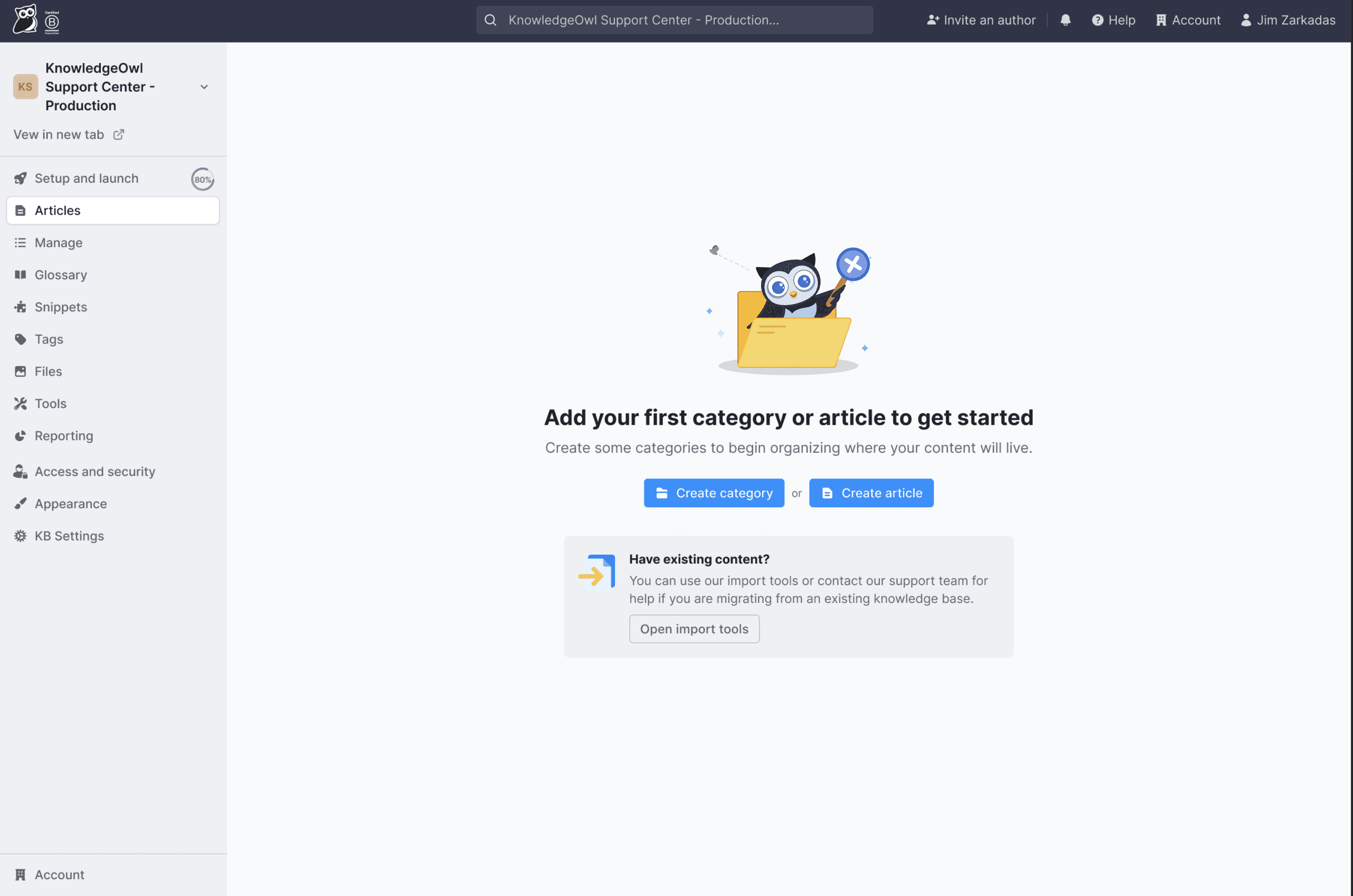
Ready to see how KnowledgeOwl stacks up? We offer a generous 30-day free trial with no credit card required, so you can fully evaluate whether we're the right fit for your team. Start your trial or schedule a demo to see our features in action.


Follow these 3 steps to improve your knowledge base
1
Get expert tips every month in your inbox
No spam, pinky promise.


2
Try the knowledge base software your team will fall in love with
Reduce tickets, make information easy to find.
Happier employees, happier customers.
3
Become the tech writer everyone respects
Check out our podcast, The Not-Boring Tech Writer.

How teams are using KnowledgeOwl
Loved by 3,200+ knowledge base authors in software companies around the world